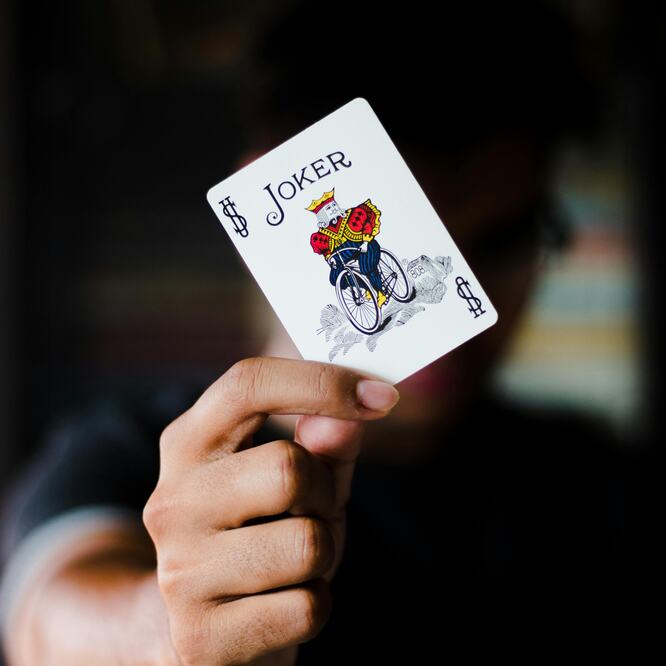
A lot of modern gambling happens in the same place as everything else: on a phone, in a browser tab, in a few minutes that were meant for something small. Fast betting does not usually feel like a big, formal choice. It feels like reacting to what is right in front of you.
Online casinos add another layer to that pace. There is the match on one screen, the odds on another, and a steady stream of numbers that keeps moving even if you look away for a moment. Decisions start to happen the way other online decisions happen. Quickly. Sometimes on instinct. Sometimes, because the window is about to close.
Speed is part of the product
Fast betting is tied to live sport, but the speed is not only about sport. It is also about design. In-play market updates and prompts appear, and the next option is always sitting there. The platform does not force anyone to act, but it is built around the idea that action can happen right now.
A goal goes in, or a team suddenly looks tired, and the whole match feels different. That shift creates a decision moment. Some people pause. Others do not. Many simply do what they already do online: tap, check, tap again. The pattern is familiar.
This is where Betway fits naturally into the discussion. On a platform like betway, live odds move with the match, so the decision is often less about long-range prediction and more about timing. You are responding to a moment that is still unfolding, not a result that has already settled.
It is easy to see why this kind of choice can feel normal. People make similar fast calls when a news story breaks, when a price changes, or when a notification pops up with a small sense of urgency. The brain treats it as the same type of task: take in a quick signal and decide what to do next.
Casino play has the same tempo
Sports betting gets most of the attention in conversations about speed, but online casino play is built for pace too. Rounds are short. Feedback is immediate. There is rarely a natural stopping point. Even when a game is simple, the rhythm can be quick.
That rhythm matters for decision-making. When outcomes arrive fast, people can slip into “one more” thinking without noticing it. The next round is ready, the interface is familiar, and the cost of starting again feels small. It is the same loop people experience in casual mobile games, except the stakes are real.
This is not a moral argument. It is just the mechanical reality of how the experience is structured. Quick cycles encourage quick choices. Over time, quick choices become the default.
The interesting part is how little explanation a user needs. Most people already know how to navigate digital menus and respond to on-screen cues. Casinos and betting platforms use the same language of buttons, tabs, and clean prompts. Familiar design removes friction, and less friction means fewer pauses.
Scale makes it feel ordinary
Online gambling is also not a tiny corner of the internet anymore. Grand View Research estimates the global online gambling market at USD 78.66 billion in 2024, with continued growth projected in the years ahead. That scale helps explain why these platforms feel less like a novelty and more like a normal digital service.
When something becomes ordinary, people stop treating it as unusual. They stop “preparing” to do it. They fit it into the same routines they already have. A quick check during a match. A short session late at night. A few minutes while waiting for something else.
And once a routine exists, decision-making changes again. It becomes less deliberate. You do not sit down and weigh pros and cons every time you open an app you use regularly. You simply open it.
Information flow shapes the choices
Fast betting is driven by information that keeps moving. Odds shift. Markets appear and disappear. Match events change the shape of the options. This makes the decision environment different from slow, pre-match wagering, where there is time to think and the pressure is lower.
In a live setting, people rarely have perfect information. They have a fragment: a team looks sharper, the crowd is louder, and the match pace is slowing. They combine that fragment with whatever they already believe, and they act. That is how humans make most decisions under time pressure.
Casino play has its own version of this. It is not about odds changing with a match, but it is still about rapid feedback. A spin resolves. A hand ends. A bonus round triggers, or it does not. The brain responds to the immediate result and prepares for the next one.
If you want to understand why fast betting decisions can feel instinctive, it helps to look at the wider internet. People are trained to respond to changing signals quickly. The casino and the sportsbook are not separate from that. They are built to run on it.
The practical takeaway is simple. Speed changes how people decide. It does not force a decision, but it makes quick decisions easier, and it makes pauses less common. When the experience is simple and the next option is there, the default becomes reacting, not reflecting.