The Science Behind Ultrasound Therapy: How It Works
Understanding Sound Waves: The Mechanics of Healing
Ultrasound therapy, often used in physical therapy and rehabilitation, employs high-frequency sound waves typically above the range of human hearing (20 kHz) to penetrate tissues and promote healing. At the core of ultrasound therapy is the concept that sound waves can oscillate through mediums such as soft tissue, generating mechanical vibrations that produce effects at the cellular level. These sound waves can be delivered continuously or pulsed, which relevantly adjusts the therapeutic effects. The energy from these sound waves can increase the temperature of soft tissues and promote increased blood flow, allowing nutrients and oxygen to reach the damaged areas more efficiently. This mechanic is especially beneficial for injuries where swelling and inflammation impede recovery as the heat helps dilate blood vessels and improve circulation.
The Biological Response: How Ultrasound Stimulates Tissue Repair
The biological response triggered by ultrasound therapy is multifaceted. Primarily, it initiates a cascade of physiological effects that enhance tissue repair mechanisms. When ultrasound waves interact with tissues, they can facilitate the production of collagen, an essential protein that contributes to the structural integrity and elasticity of tissues. Additionally, ultrasound therapy elevates the metabolic rate in the treated area, leading to increased cell proliferation and accelerated tissue regeneration. It induces fibroblasts, a type of cell vital for wound healing and tissue repair, to become more active, further promoting healing through the synthesis of extracellular matrix components and growth factors. This process can drastically reduce recovery time and improve the quality of scar tissue, leading to better functional outcomes post-rehabilitation.
Types of Ultrasound Therapy: Differentiating Continuous vs. Pulsed Waves
Ultrasound therapy is generally categorized into two types: continuous and pulsed. Continuous ultrasound therapy delivers a constant stream of sound waves, which is particularly effective for stimulating deeper tissues and raising the temperature in the target area, promoting increased blood flow and tissue elasticity. This method is often employed in cases of subacute or chronic inflammation where deeper therapeutic effects are necessary to combat pain and stiffness. On the other hand, pulsed ultrasound therapy sends high-frequency waves in bursts, allowing for a cooling interval between bursts. This type is preferable for acute conditions or areas with significant inflammation, as it helps limit additional heat accumulation while still encouraging cellular repair and regeneration. Understanding these differences aids therapists in selecting the most appropriate treatment method tailored to an individual’s specific condition and healing status.
Transforming Recovery: The Key Benefits of Ultrasound Therapy
Speeding Up the Healing Process: Less Time, More Recovery
One of the most significant advantages of ultrasound therapy is its ability to accelerate the healing process. Numerous studies have demonstrated that ultrasound can hasten tissue integration and promote the rapid resolution of inflammation and swelling. For instance, athletes often endure various injuries that can sideline them for weeks or even months. By incorporating ultrasound therapy into their rehabilitation program, they frequently experience a substantial reduction in healing time. The amplified cellular activity and increased blood flow facilitated by ultrasound can mean the difference between a returning to play in weeks rather than months, providing critical advantages in competitive scenarios. Furthermore, enhanced healing impacts not only physical recovery but also mental well-being, as reliving frustration and anxiety related to prolonged recovery can significantly improve the overall rehabilitation experience.
Reducing Pain and Inflammation: The Comfort Factor
Chronic pain management is a paramount concern in today’s healthcare arena, where many individuals live with conditions such as arthritis, fibromyalgia, or tendonitis. Ultrasound therapy provides a non-invasive and drug-free alternative for alleviating pain. The mechanism behind pain reduction is largely due to its ability to stimulate the body’s natural healing response, which, in turn, leads to a decline in local inflammation. The therapeutic heat generated during treatment relaxes tight muscles, increases the blood flow, and activates the body’s own endorphin response, contributing to a heightened pain threshold. Many patients report improved comfort during and after treatments, with less reliance on pharmaceutical interventions. This comforting factor not only leads to better compliance with rehabilitation protocols but also improves the quality of life for individuals struggling with persistent discomfort.
Enhancing Mobility: Regaining Function After Injury
Following an injury or surgery, regaining mobility is typically a key objective in rehabilitation. Ultrasound therapy plays a crucial role in facilitating this process by addressing the underlying issues of pain, inflammation, and tissue rigidity. As tissues heal and become more pliable through ultrasound application, patients often experience a reduction in stiffness that allows for a more expansive range of motion. For instance, individuals recovering from joint replacements or surgeries involving ligament repairs can benefit significantly from ultrasound treatments, encouraging them to participate more actively in prescribed physical therapy exercises. Moreover, improved mobility combined with functional restoration enables individuals to return to daily activities, work, and recreational pursuits more seamlessly, fostering a sense of independence and self-efficacy in the recovery journey.
Who Can Benefit from Ultrasound Physical Therapy? A Deep Dive
Athletes on the Edge: Fast-Tracking Sports Injuries
For athletes, the stakes can be high. Injuries can not only jeopardize performance but can also impact career longevity. Consequently, ultrasound therapy offers athletes a lifeline, tapping into its restorative properties to help them navigate injuries more swiftly and effectively. Common issues such as sprains, strains, muscle tears, and tendinitis are prevalent among athletes and can be crippling. Using ultrasound therapy within a comprehensive rehabilitation program provides targeted relief and enables practitioners to tailor treatments based on individual needs, including players returning to peak condition without compromising healing integrity. Furthermore, by incorporating ultrasound into their routine, athletes can proactively manage underlying issues before they escalate into more significant injuries, fostering a culture of prevention alongside health maintenance.
Chronic Pain Warriors: A New Hope for Lasting Relief
The realm of chronic pain is vast, with countless individuals experiencing debilitating discomfort that affects daily living. For those who have not found relief through conventional therapies, ultrasound physical therapy provides a glimmer of hope. Conditions such as arthritis, tendinitis, and even post-surgical pain may respond positively to ultrasound modalities. By targeting specific areas with this non-invasive treatment, individuals often report notable decreases in pain levels, and an augmented sense of well-being significantly improves their overall lifestyle. Many patients have turned to ultrasound therapy as a part of their multi-modal approach to pain management, pairing it with other rehabilitative treatments such as exercise, manual therapy, and education on self-care techniques. The synergy created by this comprehensive healing approach can culminate in transformative recovery experiences for those battling chronic pain.
Post-Surgical Patients: A Gentle Path to Recovery
For individuals recovering from surgical interventions, the road to recovery can be fraught with challenges, including managing pain and restoring function. Ultrasound therapy emerges as an invaluable asset for post-surgical patients, providing a gentle yet effective means to promote healing. The application of ultrasound can stimulate early tissue repair while minimizing discomfort often associated with healing incisions or manipulations of soft tissues. By integrating ultrasound therapy shortly after surgery, physical therapists can facilitate enhanced recovery trajectories, ultimately enabling patients to resume normal activities more quickly and efficiently. The capacity for ultrasound to enhance collagen formation can also lead to better quality healing, reducing the likelihood of complications associated with improper scarring or adhesions that can further interfere with mobility and function.
What to Expect: Your Journey Through Ultrasound Therapy
The Initial Consultation: Setting the Stage for Success
Your journey into ultrasound therapy typically begins with an initial consultation, during which a physical therapist conducts a comprehensive assessment of your condition and treatment history. This foundational stage is essential for establishing a tailored treatment plan while understanding patient expectations and goals. During this meeting, practitioners will inquire about symptoms, previous injuries, and lifestyle factors that may influence the healing process. Based on this assessment, they may outline how ultrasound therapy can specifically benefit your situation and discuss the scientific rationale behind its use. Additionally, this is an excellent opportunity for potential patients to ask questions, address concerns, and feel comfortable with the process ahead, ensuring that they are well-informed participants in their recovery journey.
During Treatment: What Happens on the Therapy Table
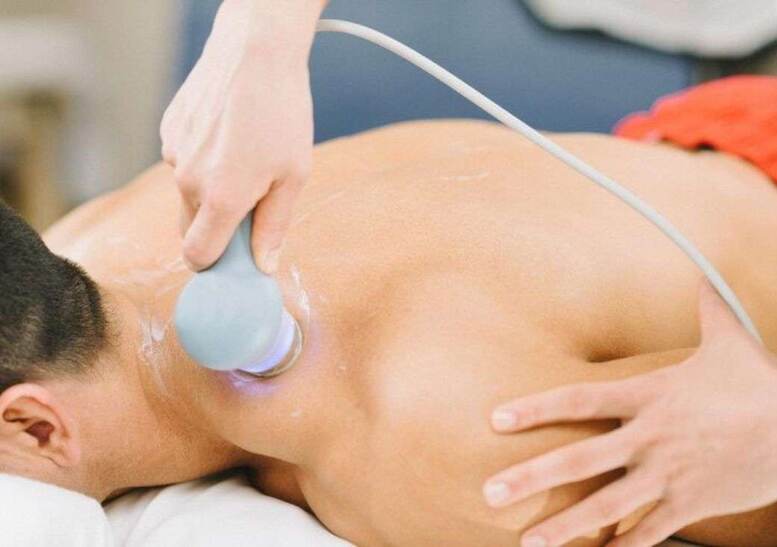
During your ultrasound therapy sessions, a trained therapist will apply a special ultrasound gel to the area of concern to facilitate sound wave conduction and optimize the therapy’s effects. The ultrasound head is then moved over the treatment site, delivering either continuous or pulsed waves, depending on the therapeutic goals established in the consultation. Patients may experience a pleasant warmth or slight tingling sensation, which is indicative of increased blood flow and tissue response. Each session typically lasts between 5 to 20 minutes, and the frequency of treatment will depend on the nature of the injury and the response to therapy. Most importantly, patient feedback is crucial during treatment, as therapists will adjust settings or techniques based on comfort levels and response to the application.
Measuring Progress: Tracking Your Recovery Milestones
One of the most significant parts of ultrasound therapy is the ability to monitor progress meticulously. With each session, therapists often evaluate the patient’s response, assessing pain levels, mobility, swelling, and functionality. Tracking these parameters allows for valuable insights into the efficacy of the treatment regimen and can inform any necessary adjustments to maximize healing potential. Furthermore, many practitioners believe celebrating milestones—whether small improvements in pain management or increased range of motion—can enhance motivation and foster a positive recovery mindset. Open communication between the patient and therapist plays an integral role in ensuring that expectations are being met and that the journey through ultrasound therapy is a collaborative effort aimed at restoring health and function.