Why Most Streetwear Closets Fall Apart by Month Six
Most streetwear closets look great in week one and tragic by month six, and the reason is pretty simple. People buy what looks good on a model, not what holds up to actual washing machines, sweaty afternoons, and the gym bag you forgot in your car for two days. A proper stussy hoodie can survive that life. A cheap lookalike with the same logo placement cannot. The difference shows up in the cotton weight, the stitch density at the hood seam, and the way the cuffs grip your wrist after the tenth wash instead of flopping loose like a deflated balloon. Honestly, I learned this the hard way buying for a small boutique back in 2019, where customers kept returning the same brands with the same complaints, and after enough returns you start noticing patterns. Heavyweight cotton holds its shape because the fibers are spun tighter. Light cotton bunches at the shoulders within three wears. Cheap dye runs in cold water, even when the tag says it won’t. None of this is mysterious if you’ve handled enough garments, but most shoppers never get the chance to feel the difference side by side, so they assume all hoodies are basically the same. They’re not. Then the disappointment shows up at month six, and the cycle starts over with another brand promising the world. So the trick to building a wardrobe that survives is mostly about knowing what to skip before you ever click “add to cart,” and that’s what the rest of this guide is going to walk through honestly.
What Heavyweight Cotton Actually Feels Like in Your Hands
Picking up a real heavyweight hoodie for the first time feels almost wrong if you’re used to fast fashion, because it’s noticeably denser than what you’d expect. The fabric should sit heavy in your palm, almost like it has a memory of its own shape. Generally, anything around 400 to 500 grams per square meter qualifies as proper heavyweight, while lighter stuff hovers around 240 to 280 GSM and feels closer to a long-sleeve tee than a hoodie. You can usually tell within three seconds of holding one. The hood itself should stand up slightly on its own when you set the garment down flat, because the inner lining is thick enough to give it structure. Cheap hoods collapse immediately. Heavy ones don’t. Another giveaway is the drawstring channel, since well-made pieces use a proper sewn channel with reinforced eyelets, while budget pieces just punch holes through the fabric and call it done. After one season the holes tear, the strings disappear inside the channel, and you’re stuck fishing them out with a safety pin every laundry day. My personal preference leans heavily toward pullover styles because zippers are usually the first thing to fail on a hoodie, especially the cheap molded ones, and replacing a zipper costs almost as much as the hoodie itself. That said, a good metal zip on a quality piece can outlive
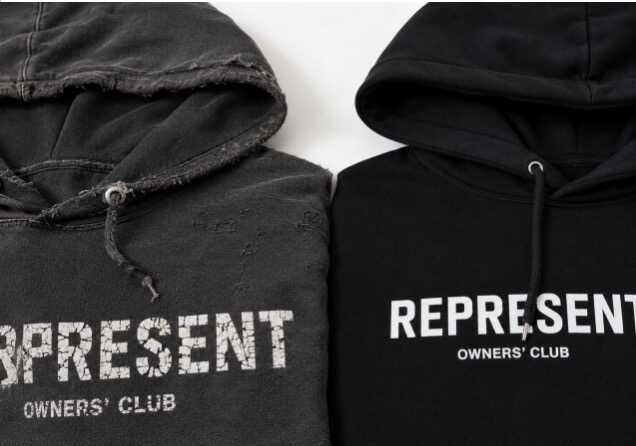
everything around it, so it’s not a rule, just a tendency I’ve noticed across a few hundred returns. The trick is checking the zipper teeth, since aluminum holds up far longer than the plastic stuff that warps in dryers. Hold one in your hand and the difference is obvious within seconds.
The Three Items Worth Spending Real Money On
If your budget is tight, you don’t need a closet full of pieces. You need three things that actually work, and everything else can stay basic. Here’s the lineup I’d build around if I were starting from scratch right now, and these are the categories worth the spend even if it stings at checkout.
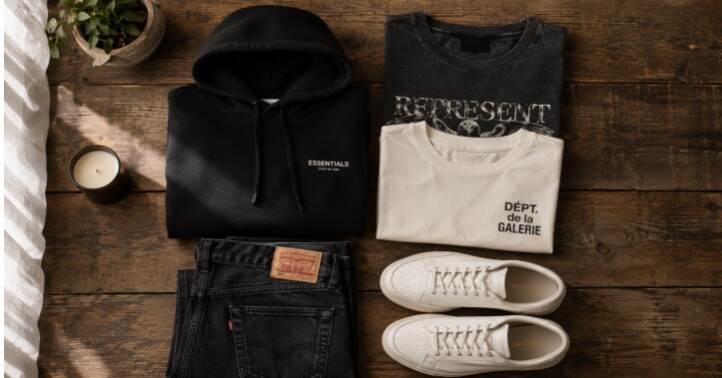
- One heavyweight pullover hoodiein a neutral color you’ll actually wear. Black is the safest pick, but a faded charcoal or off-white can carry just as much weight without looking aggressive. A solid stussy hoodie fits this category perfectly, and the cotton weight on those pieces holds shape across years rather than seasons.
- One pair of premium sneakersthat match more than one outfit. Skip the loud colorways for your first pair, since you’ll wear them constantly and they need to work with both denim and cargo pants. Designer options like tenis amiri sit at the higher end of this category, with leather builds and silhouettes that read clean across casual and dressier setups.
- Two to three graphic teeswith prints that aren’t going to crack after five washes. Cheap screen prints peel at the edges within months, while properly cured prints stay locked in for years. A piece like the mixed emotions shirt lineup uses heat-pressed rhinestones and layered screen prints that hold up to regular washing without flaking, which is genuinely rare at that price point.
Once you have those three categories covered, you can fill in around them with cheaper bottoms, basic socks, and whatever accessories you want, since those pieces don’t carry the visual weight of the core outfit. Bottoms in particular don’t need to be expensive to look right, because a clean black jean from anywhere works fine if the top half of your outfit is doing the heavy lifting.
Fit Comes Before Brand Name Every Single Time
Here’s the truth nobody selling streetwear wants to say out loud. A perfectly fitted $30 hoodie will outclass a poorly fitted $300 one every day of the week, and no logo can fix bad proportions on your frame. The streetwear silhouette runs slightly oversized by design, which is great if you understand what “slightly” means, but most people overshoot and end up swimming in their clothes. The shoulder seam should sit just past your actual shoulder, maybe an inch out, not halfway down your bicep. The hem should hit somewhere between your high hip and mid-zipper area on your jeans, not your knees. Sleeves should cover most of your hand when relaxed, with the cuff falling around your knuckle, not your fingertips. Get those three measurements right and you’ll look intentional in a $40 piece, while someone wearing $400 worth of stuff with the wrong fit will look like they got dressed in the dark. I’ve watched this happen on shop floors more times than I can count, where a customer would try on something with a name they recognized and assume it fit just because of the label. Then I’d hand them a basic piece in their actual size, and the difference in how it sat on their frame was night and day. Sizing charts only get you halfway there, since fit varies wildly between brands even within the same labeled size, so trying things on still matters even with all the online options now available. When ordering online, check the actual measurements rather than just the S/M/L labels, because those letters mean almost nothing across different brands and countries.
Quick Wash Rules That Save Your Pieces
Most clothing damage happens at home, not during wear, and almost all of it is preventable with a few small habits. The simplest changes save the most expensive pieces in your closet, and they take basically no extra effort once you get used to them.
- Wash dark pieces inside out in cold water. Warm water sets stains but also fades prints and rinses dye, while cold water keeps colors locked in.
- Skip the dryer for anything with prints, rhinestones, or heavy graphics. Air drying takes longer but adds years to the lifespan of the piece, and dryers shrink fabric in ways you can’t undo.
- Never hang a wet hoodie by the hood. The weight stretches the neckline permanently, and within a few washes the collar starts gaping like it’s a size too big.
- Wash heavy denim sparingly, maybe every five to seven wears. Frequent washing breaks down the cotton fibers and fades the indigo faster than anything else.
- Use a delicates bag for anything with metal hardware, since loose zippers and rivets snag on softer fabrics in the same load and create small tears that grow over time.
Those five habits alone will probably double the wearable life of most pieces you own. Honestly, the biggest mistake I see is just throwing everything in the dryer on high heat, because dryers are where good clothes go to die early, and the difference between two years of wear and five years often comes down to that single decision.
When to Spend More and When to Save
Not every piece in your closet needs to be premium, and pretending otherwise is how people end up broke chasing brand names that don’t really matter for what they bought. Tees and socks are the easiest place to save money, because tees get the most wear and the most washes regardless of price point, and socks just don’t matter visually. The middle tier of any decent shirt brand will do the job for everyday rotation, while you save the premium budget for pieces that show every flaw. Outerwear and footwear are where you should spend the most, since a poorly made jacket falls apart in one winter and cheap sneakers destroy the rest of your outfit by looking too obvious in their cost-cutting. Denim sits somewhere in the middle, where mid-range options from specialty Japanese or selvedge brands can outperform luxury denim at half the price, but bargain-bin jeans usually look it within a few months as the fabric thins and the stitching goes loose. Hoodies and sweatshirts also lean toward the spend-more side, because the cotton weight is the single biggest factor in how the piece reads visually, and you can’t fake heavyweight cotton with cheap construction. Accessories like hats and bags fall into the save category most of the time, since they’re more about styling than longevity and you can rotate cheaper options without anyone noticing. My honest limitation here is that this advice assumes you actually wear what you buy, because if a piece sits in your closet, the cost-per-wear math falls apart regardless of how well it was made or how good it looked at checkout.
How to Spot Quality Without Being a Fabric Expert
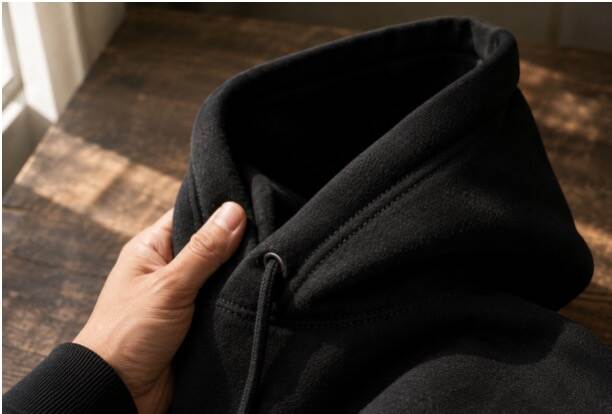
You don’t need to know the difference between ring-spun and open-end cotton to spot quality. A few simple checks tell you almost everything you need to know about a piece before you commit. Hold the fabric up to a light source and look through it, since cheaper cotton lets way more light through, while denser fabric blocks most of it. That’s an instant signal of how much material went into the piece, and it correlates directly with how it’ll hold up to wear. Check the stitching at high-stress points like the underarm seam, the hood attachment, and the pocket corners, where doubled or triple stitching means the brand actually planned for daily use rather than just hanging on a shelf. Look at the inside seams too, since clean overlocking and finished edges show the brand cared about the build, while raw threads and uneven seams are a giveaway that corners got cut where you can’t see them. Smell the garment if you can. Quality cotton has almost no smell out of the bag, while cheaper pieces sometimes carry a chemical scent from cheap dyes or finishing treatments that didn’t get washed out properly during manufacturing. The label material matters too, because a printed label inside a $20 hoodie usually means the brand skipped most of the woven detailing that costs them money, while woven labels generally indicate someone in the supply chain cared about presentation. None of these checks are perfect, but stacking three or four of them together gets you pretty close to the truth about what you’re actually buying, even without holding it in person.
Building Your Style Slowly Beats Buying It All at Once
The temptation when you’re getting into streetwear is to buy a full outfit in one go, then realize three months later that half of it doesn’t fit your actual life or style preferences. Slow is genuinely better. Pick up one piece, wear it for a few weeks, see how it sits in your rotation, and then decide what to add next based on what’s actually missing. This approach saves money and keeps your closet tight, which matters more than people realize because cramped closets full of pieces you don’t wear feel worse than smaller closets full of stuff you love. After a year of building this way, you end up with maybe twelve to fifteen pieces that all work together rather than fifty that don’t quite match. The other benefit is that your taste evolves as you wear more streetwear, since what looks great in a flat lay photo doesn’t always look right on your specific body in real settings, and your eye for what works changes with experience. Buying slow gives you space for that evolution to happen naturally without expensive mistakes piling up. Streetwear culture itself rewards this patience, since the people who genuinely care about the scene usually wear pieces longer and harder than people just chasing trends, and you can tell the difference at a glance when you spot someone who actually lives in their clothes versus someone who just unwrapped them last week. So pick pieces you’ll still want to wear in eighteen months, not just next Saturday, because the math works out far better that way and you stop hating your closet every time you open it.
Final Words
A wardrobe that lasts is built on three things, which are decent cotton, fit that suits your frame, and care habits that don’t destroy what you spent good money on. Skip the marketing noise and focus on what your hand tells you about the fabric, what the mirror tells you about the fit, and what your washer tells you about long-term wear. Buy fewer pieces and treat them well. Rotate what you have instead of constantly adding more. Streetwear at its best isn’t about owning the most stuff, it’s about owning the right stuff and looking like you mean it when you walk out the door. Start with one good hoodie, one pair of sneakers that genuinely fit your life, and a couple of tees that won’t crack at the first wash. Build from there as you go, and your closet will repay you for years rather than seasons.
Frequently Asked Questions
How do I know if a hoodie is actually heavyweight or just labeled that way?
Pick it up and feel the weight, since proper heavyweight pieces feel noticeably denser than typical mall-brand hoodies. If the GSM number is listed, anything above 400 is solid. Below 300 is closer to a long-sleeve tee than a real hoodie, regardless of what the marketing copy claims.
What’s the difference between premium streetwear and luxury streetwear?
Premium streetwear focuses on fabric quality, fit, and durability at mid-range prices, while luxury streetwear adds high-end materials, designer construction, and the brand premium that comes with it. Both can be worth it depending on what you value, but premium tends to give you better cost-per-wear if budget matters.
How often should I wash a hoodie?
Every five to seven wears for most pieces, unless you’re sweating heavily or spilling something obvious. Washing too often breaks down the cotton fibers faster than wear does, and most hoodies just need spot cleaning or a quick air-out between actual washes.
Are designer sneakers worth the price?
Sometimes yes, sometimes no. Designer sneakers usually offer better leather, hand-finishing, and a silhouette you won’t find elsewhere, but if you’re paying mostly for the logo rather than the build, you’re better off with a quality mid-range option that fits your style.
Can I mix streetwear brands or should I stick to one label?
Mixing brands is genuinely better most of the time, since head-to-toe single-brand outfits often look like uniforms rather than personal style. Pick pieces that work together visually based on color, cut, and silhouette rather than logo, and the result reads more intentional and less like an advertisement.
Read More: circuit diagram maker