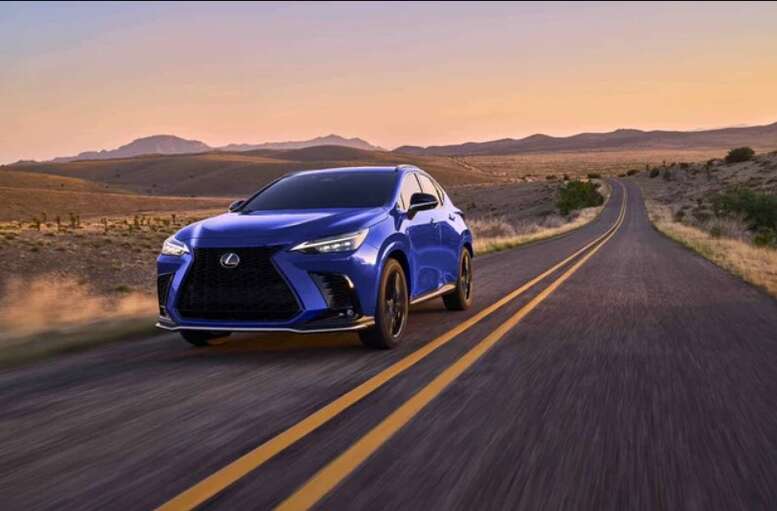
The rotary dial or set of pictograms on a modern SUV’s dashboard has become nearly as common as the steering wheel itself. Whether it’s a set of physical buttons or a touchscreen menu, most SUVs now come with selectable drive modes tailored for different surfaces. Behind each neatly named mode lies a carefully engineered system designed to adapt the vehicle’s performance to the road or trail ahead.
How It Works
At its core, the drive mode system is a network of electronic controls fine-tuning every major component involved in movement: the engine, transmission, suspension, transfer case, differentials, and braking system. These advanced features are now widespread across most modern SUVs available for sale at used SUV dealerships in Jacksonville, like Autoland Jax. When a specific mode is engaged, each subsystem adjusts to optimize traction and stability for the given surface.
For example, in slippery conditions, throttle sensitivity decreases to prevent wheelspin, while torque delivery becomes smoother, even under heavy acceleration. On rocky terrain, however, the system prioritizes rapid torque buildup to ensure confident climbing. The transmission’s shift pattern also changes—holding gears longer so the driver can better use the engine’s full torque at low speeds.
Meanwhile, the transfer case and rear differential control how power is split and when components lock for maximum traction. In advanced systems, the SUV can even anticipate when to engage or release the differential lock, maintaining steering precision until slip is unavoidable. This predictive approach ensures the driver retains smooth control without manual intervention.
When Driving Modes Truly Matter
These electronic adjustments show their worth off-road or on challenging terrain. Accurate control over power distribution and suspension height helps drivers maintain their line even over deep ruts or steep inclines. Air suspension plays a crucial role, automatically raising or lowering the vehicle to adapt ground clearance and improve approach or departure angles.
Perhaps the most valuable ally in this system, however, is the braking module. It regulates individual wheel speed, deciding how much each wheel should slow or slip to maintain traction. Even seasoned off-roaders can’t manually manage brake input with such precision across four wheels simultaneously. The result is a smoother, safer climb or descent and less strain on the vehicle’s mechanical components.
By orchestrating all these variables automatically, modern drive modes let SUVs perform at their peak when needed or conserve mechanical life and fuel when conditions are mild.
Modes and Driver Preferences
Typical configurations include settings such as Highway, Gravel/Snow, Mud/Ruts, Sand, Rock, and even Water Crossing. The way these modes deploy power depends heavily on whether your SUV runs a rugged 4WD system or a seamless AWD one.
While their names clearly suggest their intended use, many drivers ignore them, relying on instinct. Still, the systems are designed with protective limits. If a driver selects an unsuitable mode, the vehicle won’t damage itself, though performance might be less than ideal.
Real-World Effectiveness
Experts argue that these systems have dramatically improved SUVs’ off-road performance. Electronic controls respond far faster than human reflexes, continuously analyzing grip levels and adjusting torque, throttle, and braking in milliseconds. The driver no longer has to judge whether the surface ahead is pure ice or packed snow—the software interprets grip levels and delivers just enough torque to move without slipping.
The ride becomes not only more capable but also more comfortable, sparing occupants from sudden jerks or traction loss. The only step often left for the driver is deactivating ESP (Electronic Stability Program) in extreme off-road conditions so the system doesn’t mistakenly cut engine power when detecting wheel slip.
An underrated benefit of these systems is their visual feedback. Animated displays may seem like mere decoration, but they actually reflect real-time drivetrain operations. For beginners, this feels like an engaging tutorial; for experienced off-roaders, it offers insightful data to refine handling and make the most of the SUV’s capability.